Vivo V80 Reaches Bangladesh: ZEISS Triple Camera, 7,200mAh Battery and a ৳79,999 Start
Vivo V80 is now selling in Bangladesh with a 144Hz 1.5K AMOLED display, ZEISS triple 50MP cameras and a 7,200mAh battery. What the ৳79,999 start actually buys, and where it falls short.
Article Content
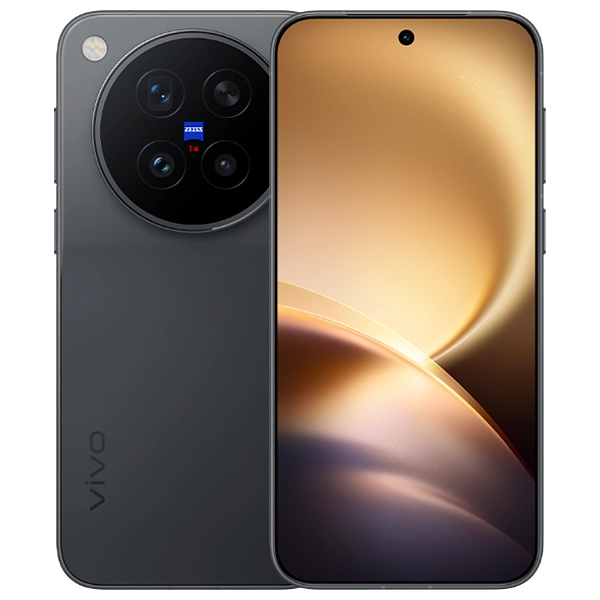
Vivo's V80 has arrived in Bangladesh, and the launch sheet reads like a camera phone first and a battery phone second: a 6.59-inch 144Hz AMOLED panel, a ZEISS co-engineered triple camera and a 7,200mAh cell. The official starting price is ৳79,999, which places it in the crowded upper-middle of the local market rather than at the flagship table.
The figures on our Vivo V80 page match the launch material: ৳79,999 for the official 8GB/128GB model and ৳76,000 for the unofficial import. What that money buys, and what it does not, is worth separating before anyone treats this as a straightforward upgrade.
What the Vivo V80 brings
| Feature | Vivo V80 |
|---|---|
| Display | 6.59-inch 1.5K AMOLED (2750 x 1260), 144Hz, 5,000 nits peak, 4320Hz PWM dimming |
| Chipset | Snapdragon 7 Gen 4, 4nm |
| Memory | 8GB LPDDR4X, 128GB or 256GB UFS 3.1, no microSD slot |
| Rear cameras | 50MP main with OIS + 50MP telephoto (3x optical) + 8MP ultra-wide, ZEISS co-engineered |
| Front camera | 50MP, 92-degree field of view |
| Battery | 7,200mAh, 90W wired charging |
| Software | Android 17 with OriginOS 7 |
| Durability | IP68 + IP69 |
| Body | 7.69mm thick, 203g |
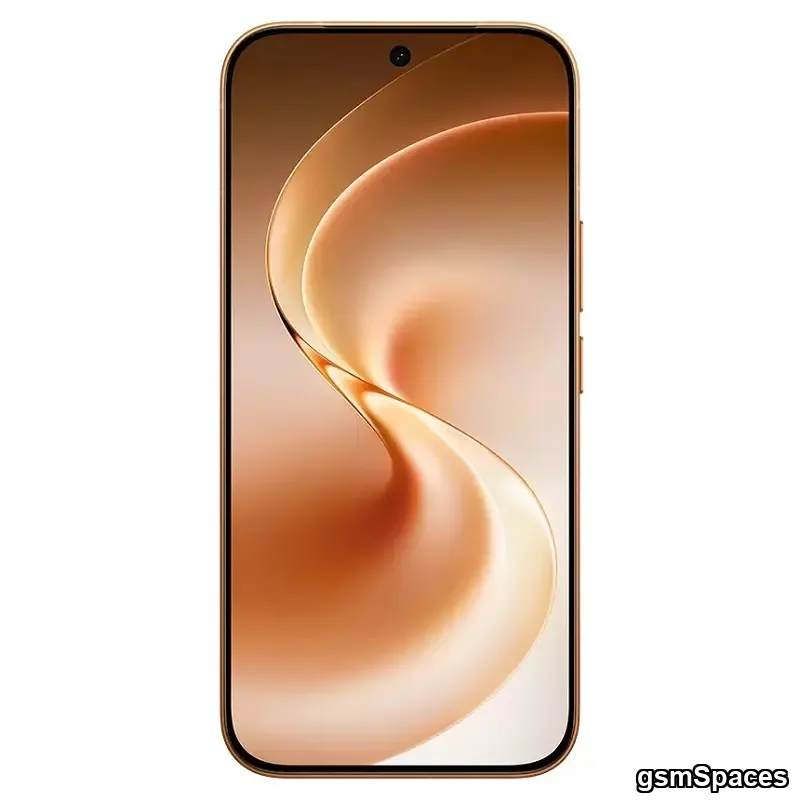
| Colours | Rise Orange, Vision Green, Prime Gray |
The display is the strongest upgrade
A 144Hz 1.5K AMOLED panel at this price is the part of the V80 that needs no caveat. The resolution sits between full-HD and quad-HD, brightness reaches 5,000 nits at peak, and the 4320Hz PWM dimming is aimed at people who notice flicker during long evening sessions. The 1.25mm bezels keep the front clean.
The one honest note is about the refresh rate. Reports from the launch say 144Hz is available in only a handful of games, and the phone otherwise runs at 120Hz. That is still a smooth screen; it simply means the 144Hz number is a ceiling, not the everyday mode.
Cameras: ZEISS tuning on familiar hardware
The camera stack is the reason the V80 exists. A 50MP main sensor with optical stabilisation is joined by a 50MP telephoto with 3x optical zoom and an 8MP ultra-wide, all tuned with ZEISS. Portrait modes at 85mm and 100mm are part of the pitch, and the 50MP selfie camera covers a 92-degree field so group shots need less arm-stretching.
Both front and rear cameras record up to 4K at 60fps, and the software adds AI Retouch tools for removing objects and improving clarity. The weak link is the 8MP ultra-wide: it is useful for reach, but fine texture softens, especially after dark. The main and telephoto sensors carry the experience, and buyers should judge the phone on those two.
The hardware is also carried over from the previous generation, which is the most important context for anyone upgrading. The V80 refines the camera experience rather than replacing it.
Battery and charging
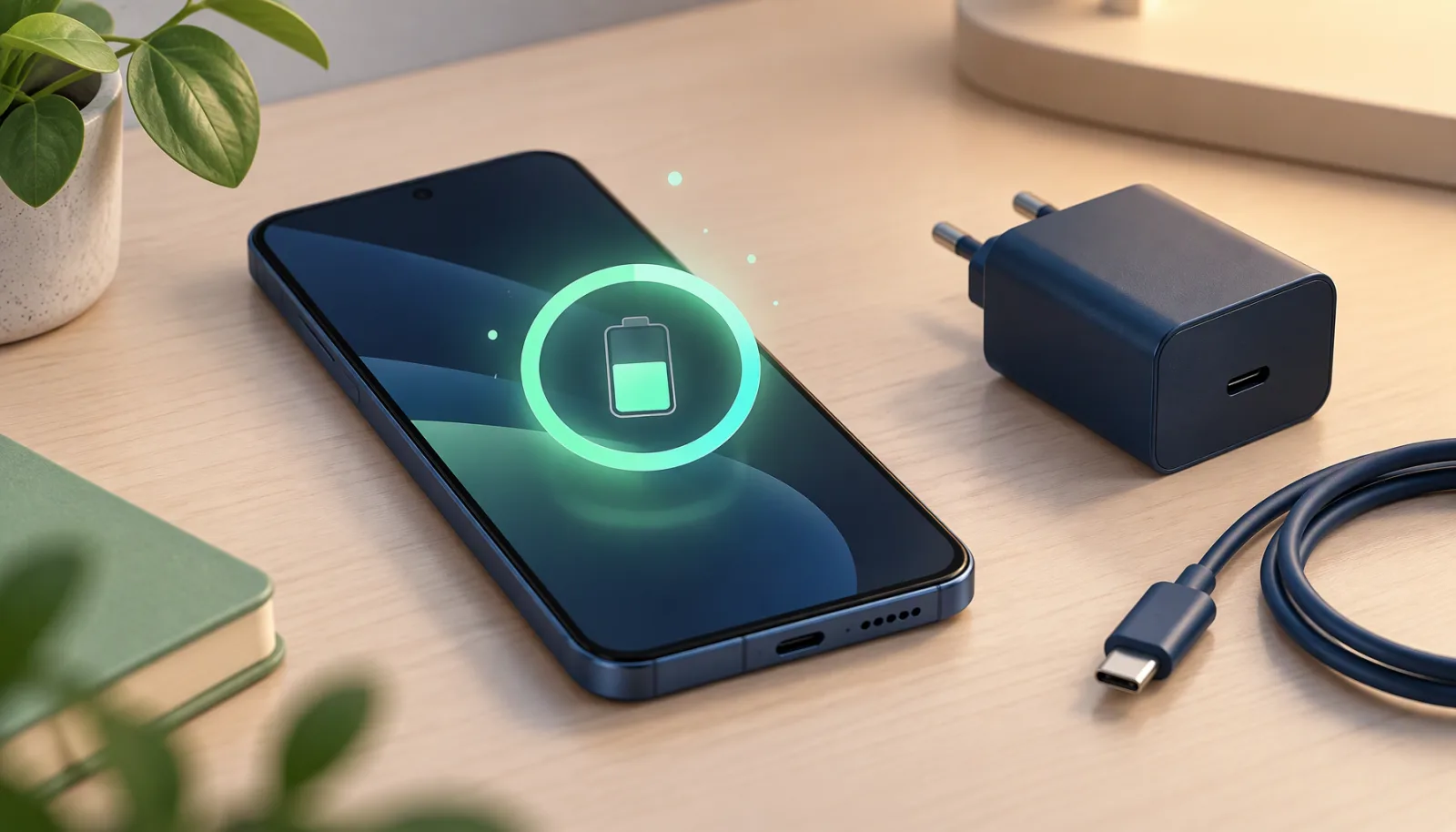
The 7,200mAh battery is the biggest single jump over the V70-era design. In the launch coverage, casual use stretched to about a day and a half, and a mixed day of photography and light gaming still ended with charge left. The 90W charger is quoted at 50 percent in about 30 minutes, which is the number that matters on a busy morning.
Performance and software
Snapdragon 7 Gen 4 is a 4nm mid-range chip, not a flagship. Messaging, browsing, video and everyday apps will feel fine; heavy games will run, but not at the kind of sustained smoothness a flagship buyer expects. The absence of a microSD slot and a 3.5mm headphone jack is worth knowing before purchase, and the USB port is USB 2.0.
OriginOS 7 on top of Android 17 brings the customisation Vivo is known for, along with AI features for photos and editing. Vivo is quoting 72 months of smooth-performance work and six years of security updates, which is a long support window for this segment. The phone also ships with six months of 100GB Google One storage.
Price and variants in Bangladesh
| Variant | Reported price |
|---|---|
| 8GB / 128GB, official | ৳79,999 plus VAT |
| 8GB / 256GB, official | ৳89,999 plus VAT |
| 8GB / 256GB, unofficial import | About ৳76,000 |
| 8GB / 512GB, unofficial import | About ৳82,000 |
The unofficial units are cheaper, but they do not carry the same warranty path. If the difference is small, the official model is the safer purchase; if it is large, confirm the seller's service terms before paying. Our Vivo V80 page tracks the official and unofficial figures separately so the gap stays visible.
Where it fits in the line-up
Vivo's own range explains the V80's position. The Vivo V80 Lite sits at ৳59,999 with the same family styling but a smaller camera promise, while the Vivo V80 FE is still listed as upcoming with an unofficial price only. The V80 is the model for someone who wants the ZEISS camera and the big battery together.
Compared with the other phones we track, the V80's case is specific: screen, camera tuning and battery life. It is not a performance bargain, and the mid-range chip is the first place to look if gaming is the priority. Buyers who care most about raw speed should check the Honor 600 Pro and similar models before deciding.
Final thought
The Vivo V80 is a well-finished camera phone with an unusually large battery and a bright, fast display, sold at a price that asks buyers to value those three things. The compromises are real but predictable: a mid-range chip, a modest ultra-wide and no storage expansion. If your day is built around photos, video calls and long screen time, the package makes sense. If it is built around games, it does not.